Surfing the Mighty Wave: The Best in Taghazout
Table of Contents
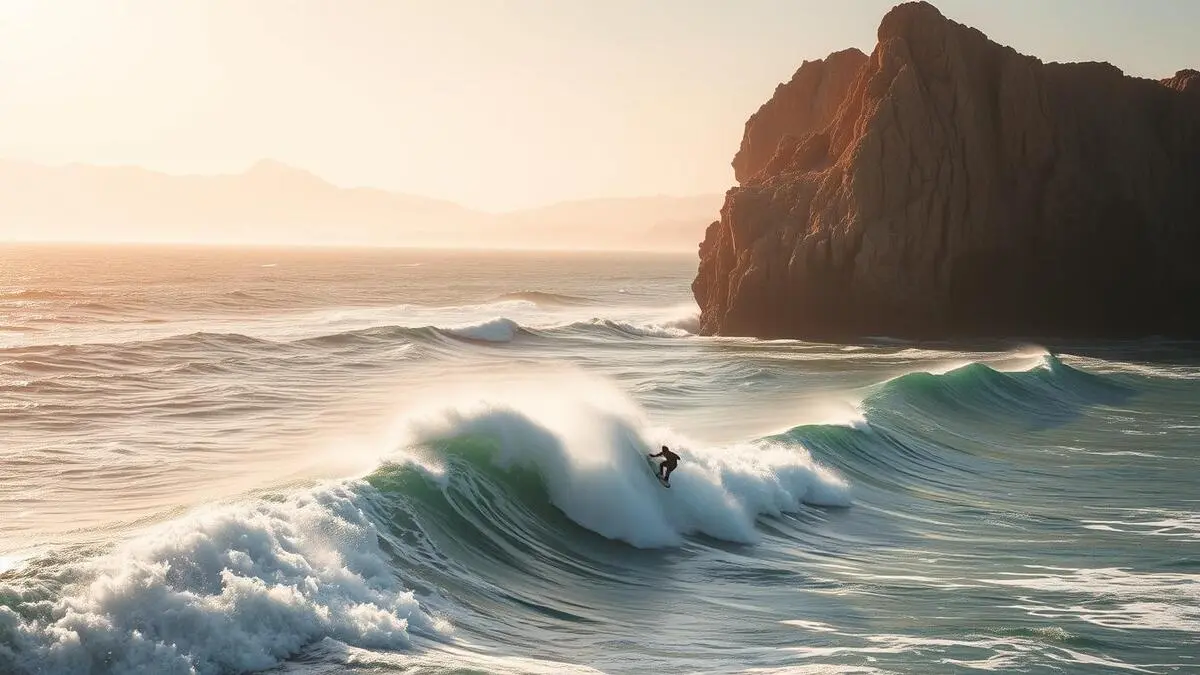
Imagine standing on Morocco’s rugged coast, where the Atlantic Ocean meets golden sands. Surfing the mighty waves near Taghazout Bay calls to surfers worldwide. It’s a hidden gem for surfers of all levels.
Surfing the Mighty Wave is more than a sport—it’s an adventure that connects you with nature’s power. Whether you’re new to surfing or experienced, Devil’s Rock offers an unforgettable experience. It will spark your love for riding the waves.
Morocco’s 1,835 km coastline offers a unique surfing experience at Devil’s Rock. With its left and right-hand point breaks, it promises an exciting journey for every surfer.
Key Takeaways
- Surfing the Mighty Waves offers waves for both beginners and intermediate surfers.
- Located near Taghazout Bay with diverse wave conditions
- Part of Morocco’s stunning 1,835 km coastline
- Provides both left and right-hand point breaks
- Ideal destination for surfers of all skill levels
Introduction to Devil’s Rock: A Surfer’s Paradise
Surfing the Mighty Wave is a top surfing spot on Morocco’s stunning coast. It attracts surfers from all over the world. This place combines natural beauty, cultural richness, and top-notch waves for an unforgettable experience.
Devil’s Rock is more than just great waves. It’s in the lively area of Imouran. This spot is famous for its surfing challenges and adventures.
Unique Geographical Characteristics
Devil’s Rock is known for its special geography. It has features that make it a top spot for surfing the Mighty Wave:
- Consistent wave patterns
- Proximity to multiple surf breaks
- Diverse wave types for all skill levels
- Stunning coastal landscape
Cultural Significance of Imouran
The area around Devil’s Rock is rich in culture. The Moussem d’Imourane festival on September 1st is a highlight. It’s when locals and visitors see the seven enchanted waves from Devil’s Cave.
Surfing Heritage
Devil’s Rock is famous for its challenging surfing of the Mighty Waves. Surfers love the unique waves and the friendly local surf community. They share a deep bond with the ocean.
Devil’s Rock is not just a surfing destination – it’s a living, breathing experience that connects riders with the raw power of the ocean and the rich cultural tapestry of Morocco.
The Devil’s Playground: Surfing the Mighty Waves of Devil’s Rock
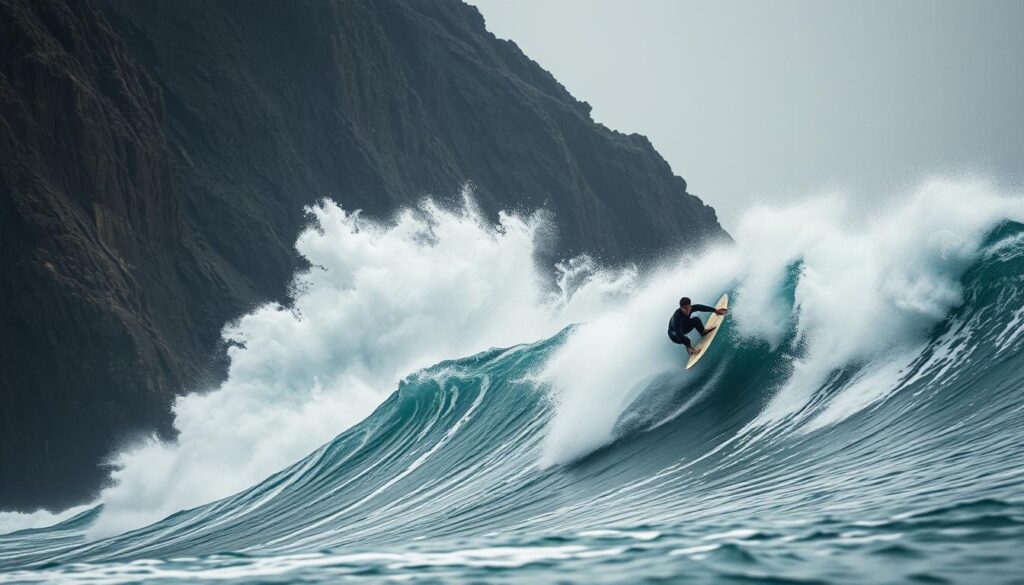
Devil’s Rock is a legendary spot for surfing the Mighty Wave, looking for a thrill. The waves are powerful and test even the most experienced surfers. Every ride here is an adventure filled with adrenaline.
This Surfing the Mighty Wave spot is known for several reasons:
- Consistent wave patterns
- Rock-free breaks ideal for multiple skill levels
- Spectacular coastal landscape
- Advanced wave formations
For those who have surfed before, Devil’s Rock is a challenge. It requires skill, precision, and knowledge of the Surfing the Mighty Waves sea. Each wave tells a unique story of power and potential, offering a surfing experience like no other.
| Wave Difficulty | Skill Level | Recommended Approach |
|---|---|---|
| Beginner Waves | Novice | Gentle breaks near shoreline |
| Intermediate Waves | Intermediate | Moderate challenge, predictable patterns |
| Advanced Waves | Expert | Complex formations, high-energy breaks |
Get ready for an amazing surfing adventure at Devil’s Rock. It’s perfect for beginners or experienced surfers looking for a challenge. This place promises an extreme surfing experience you won’t forget.
Best Seasons and Surfing the Mighty Wave Conditions at Devil’s Rock
Planning your surf adventure at Devil’s Rock means knowing the wave patterns and seasonal changes. Morocco has reliable waves all year, with each season offering unique surfing chances.
Peak Surfing Months
Surfing the Mighty Wave at Devil’s Rock changes with the seasons. The best time to surf is from October to March. Winter months have the best conditions:
- November to February: Consistent swells ranging 6-12 feet
- Water temperatures between 16-18°C (wetsuit recommended)
- Best period for advanced surfers seeking challenging waves
Understanding Surfing the Mighty Wave Patterns
Devil’s Rock has different waves all year. Summer (April to September) has gentler waves for beginners, with warmer water. Intermediate Surfing the Mighty Waves find good conditions in April-May and September-October.
Tide and Weather Considerations
Planning is key for a great surf at Devil’s Rock. Keep these in mind:
- Monitor local wind directions
- Check tide charts before your session
- Be prepared for quick weather changes
Pro tip: Local surf breaks like Crocos and Anza offer alternative options when Devil’s Rock conditions are less favorable.
Surfing Skill Levels and Wave Types
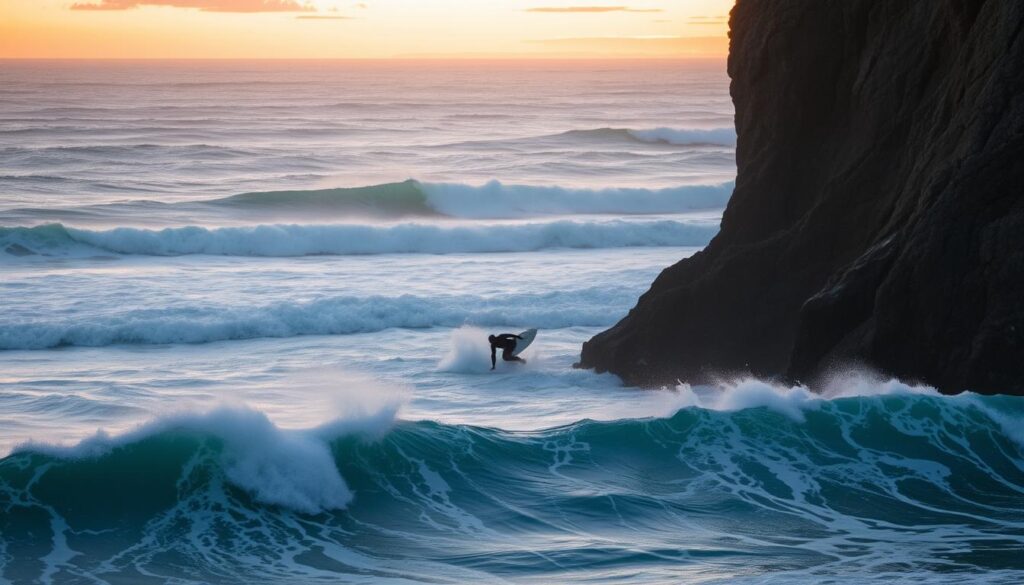
Devil’s Rock is a playground for ocean thrill seekers. It offers waves for all skill levels. Beginners can catch their first wave, while experienced riders find challenges.
The break has waves for every skill level:
- Beginner Zone: Gentle, rolling waves near the shoreline, perfect for learning
- Intermediate Sections: Moderate-sized waves with predictable patterns
- Advanced Areas: Powerful, challenging breaks for experienced surfers
New surfers find the summer months best. Water is warm, from 18-22°C, making it great for learning. Intermediate surfers enjoy April-May and September-October, with swells that are just right.
Advanced riders tackle winter waves, which can be 6-12 feet high. Devil’s Rock’s waves make every surf session an adventure.
Pro tip: Always assess wave conditions and match them to your current skill level for a safe and enjoyable surfing experience.
Local Surf Spots Around Devil’s Rock
Exploring the surf scene around Devil’s Rock reveals a treasure trove of amazing breaks for surfers of all skill levels. These adrenaline-pumping waves offer more than just its primary wave—the surrounding area boasts several exceptional spots that can elevate your Devil’s Rock surfing experience.
The region surrounding this top surfing destination is a surfing paradise with multiple breaks that cater to different preferences and abilities. Understanding these local spots can help you maximize your time on the waves and discover hidden surfing gems.
Banana Point Connection
Banana Point stands out as a critical nearby surf location. Situated close to Devil’s Rock, this break offers:
- Consistent wave patterns
- Gentler slopes for intermediate surfers
- Picturesque coastal views
- Relatively uncrowded conditions
Nearby Alternative Breaks
Surfers seeking variety will appreciate the alternative breaks within a short distance from Devil’s Rock. Some notable spots include:
- Anza Beach: Known for powerful waves and challenging conditions
- Crocos Break: Offers multiple wave types for different skill levels
- Magic Bay: Features some of the longest rideable waves in the area
Hidden Gems in the Area
For adventurous surfers willing to explore, the region around Devil’s Rock conceals some remarkable lesser-known breaks. These hidden spots provide unique surfing experiences with fewer crowds and pristine conditions.
Pro tip: Local knowledge is key to discovering these secret surf locations. Connecting with surf camps and local instructors can unlock insider information about the best uncharted breaks.
Essential Safety Tips and Guidelines
Getting ready for your extreme surfing at Devil’s Rock means planning carefully and respecting the local conditions. The surf needs skill and knowledge. Always check the weather and wave forecasts before you go to Devil’s Rock. This ensures you have a safe and fun time.
Your safety starts with the right gear. Get a good wetsuit for Morocco’s cold winter waters. Choose a surfboard that fits your skill level. Devil’s Rock is great for beginners in summer with smaller waves.
Following local surf rules is key. Be friendly and considerate to the coastal communities and other surfers. Morocco’s surf coast is safe, thanks to low crime rates. Learn local customs, talk to surf instructors, and always put safety first.
Knowing the waves and your limits is vital. Summer waves at Devil’s Rock are gentle, but winter waves are tougher. Watch the locals, take lessons if you’re new, and never surf alone. Being prepared makes your surfing adventure safe and memorable.